Minor Concern

At The Baniik, we also address minor concerns—smaller, emerging issues that, while not always as widespread as major global challenges, still have significant social, environmental, and economic impacts. These issues often serve as precursors to larger systemic problems, which is why we focus on providing solutions early on. Through innovative, ethical practices, we aim to mitigate these concerns before they escalate.

Emerging Challenges: Minor Concerns

These emerging concerns may seem smaller but have a significant impact on communities and ecosystems. At The Baniik, we focus on addressing them with proactive, ethical solutions for lasting change.

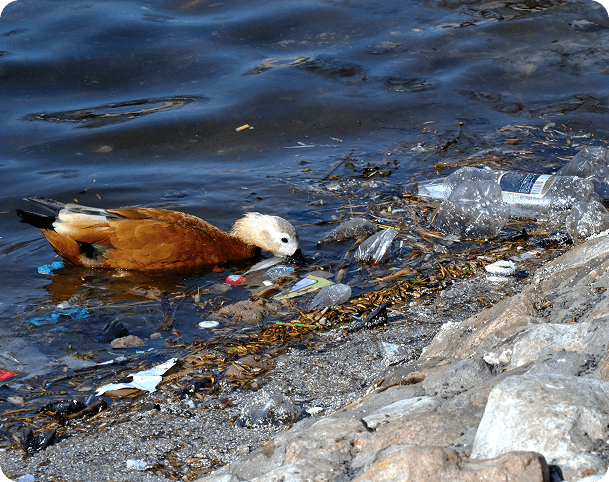
Microplastics in Local Ecosystems

Microplastics are tiny particles contaminating local ecosystems, affecting water sources, soil, and wildlife.

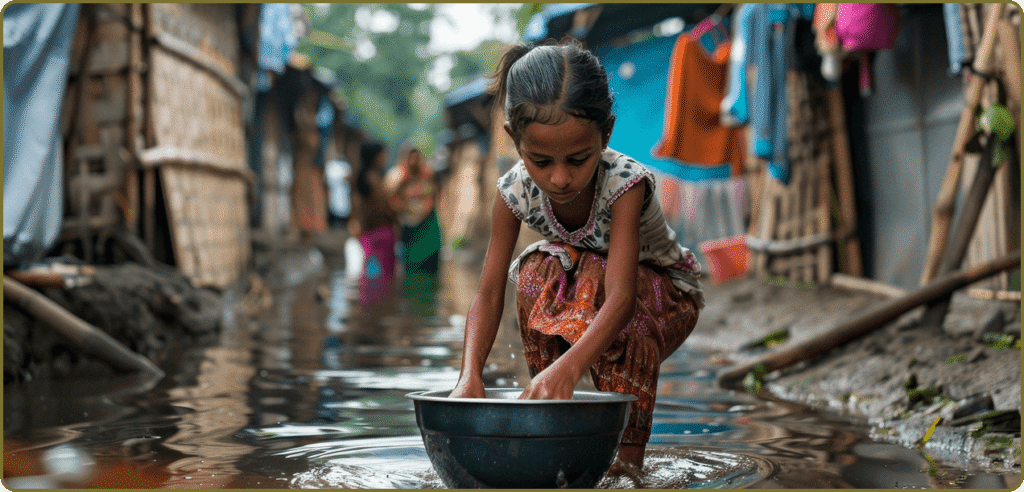
Water Scarcity in Rural Areas

Many rural communities face limited access to clean water, threatening health and livelihoods.

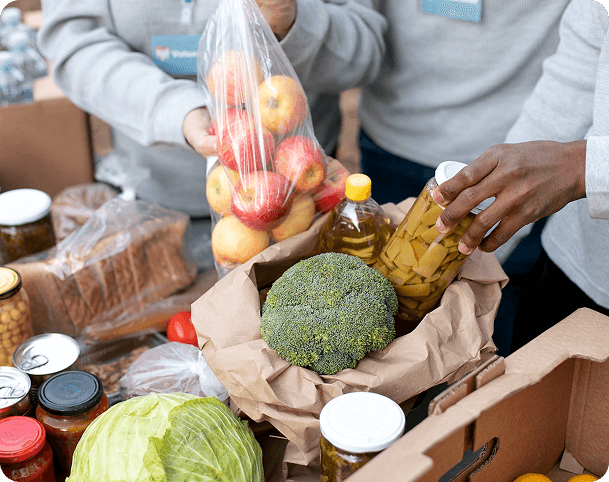
Food Insecurity

Communities in underserved areas often struggle with food shortages, contributing to malnutrition and poverty.

Mental Health Stigma

Stigma around mental health prevents people from seeking the help and support they need.
Understanding Emerging Concerns

Emerging concerns, though often overlooked, can have significant effects on communities and the environment. The Baniik is dedicated to tackling these issues through proactive, sustainable practices that create long-term solutions.

Microplastics in Local Ecosystems

Microplastics are tiny particles that infiltrate our ecosystems, from oceans to soils. While the issue of plastic pollution is widely recognized, microplastics pose a hidden threat, contaminating water sources and entering the food chain. The presence of microplastics in local ecosystems disrupts wildlife and impacts human health. The Baniik works to reduce plastic waste through community education, promoting the use of biodegradable materials and supporting effective recycling programs.

Water Scarcity in Rural Areas

Water scarcity is a growing concern in many rural areas, where access to clean, safe water is limited. This issue leads to poor health, economic hardship, and migration. The Baniik helps communities implement sustainable water management practices, such as rainwater harvesting and the creation of efficient irrigation systems. These initiatives ensure access to water while preserving local ecosystems for future generations.

Food Insecurity

Food insecurity is prevalent in many underserved regions, where economic instability and inadequate food distribution systems contribute to hunger and malnutrition. The Baniik addresses this concern by promoting sustainable agriculture, supporting local farmers, and improving food access in vulnerable communities. We also advocate for urban farming initiatives, allowing cities to grow their own food and reduce dependency on external supply chains.

Mental Health Stigma

Mental health issues are often misunderstood and stigmatized, particularly in underserved communities where access to care is limited. This stigma prevents individuals from seeking help, exacerbating mental health challenges. The Baniik works to raise awareness, reduce stigma, and provide resources for mental health support. Through educational programs and community outreach, we encourage open conversations about mental well-being and provide tools for managing stress and anxiety.

Scroll to Top